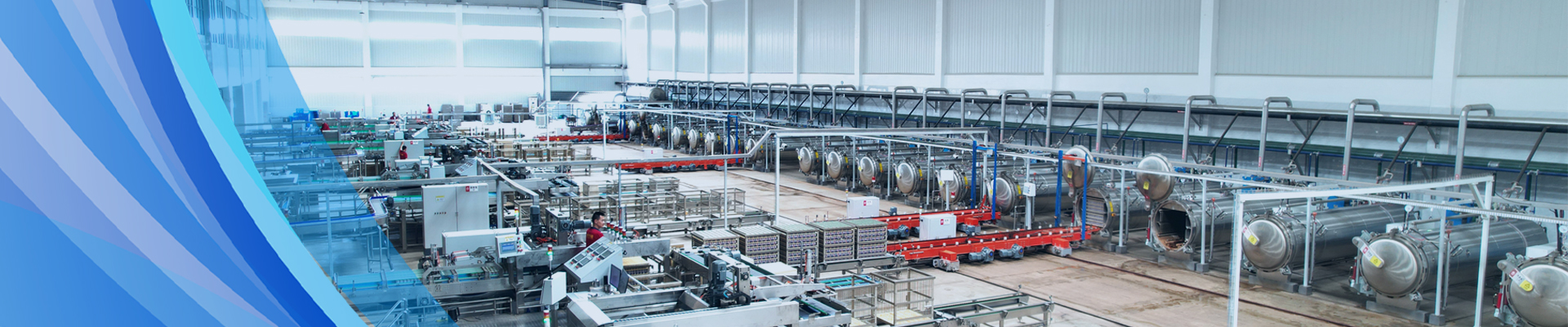

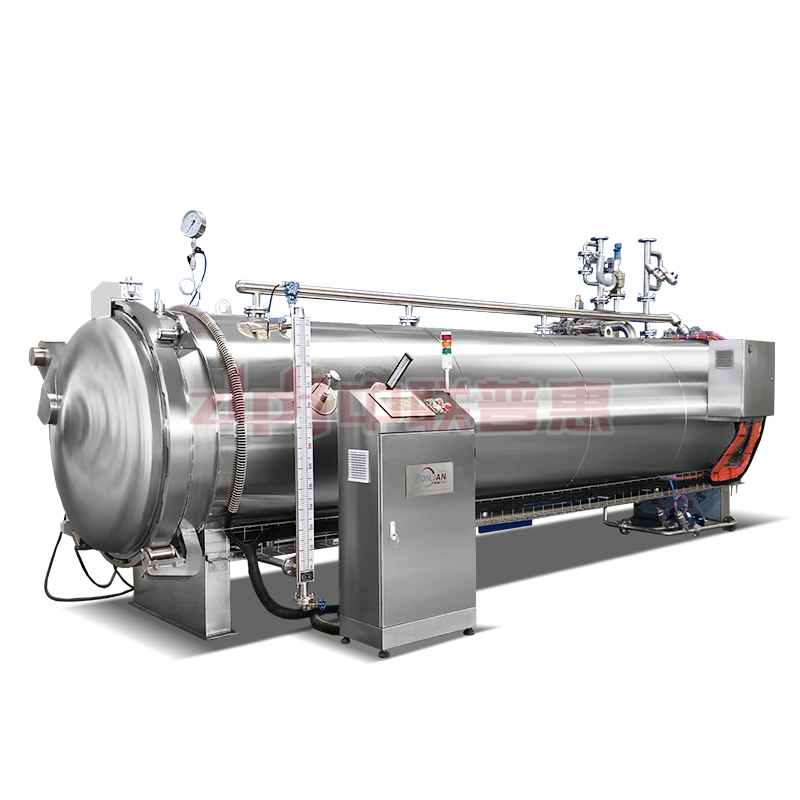
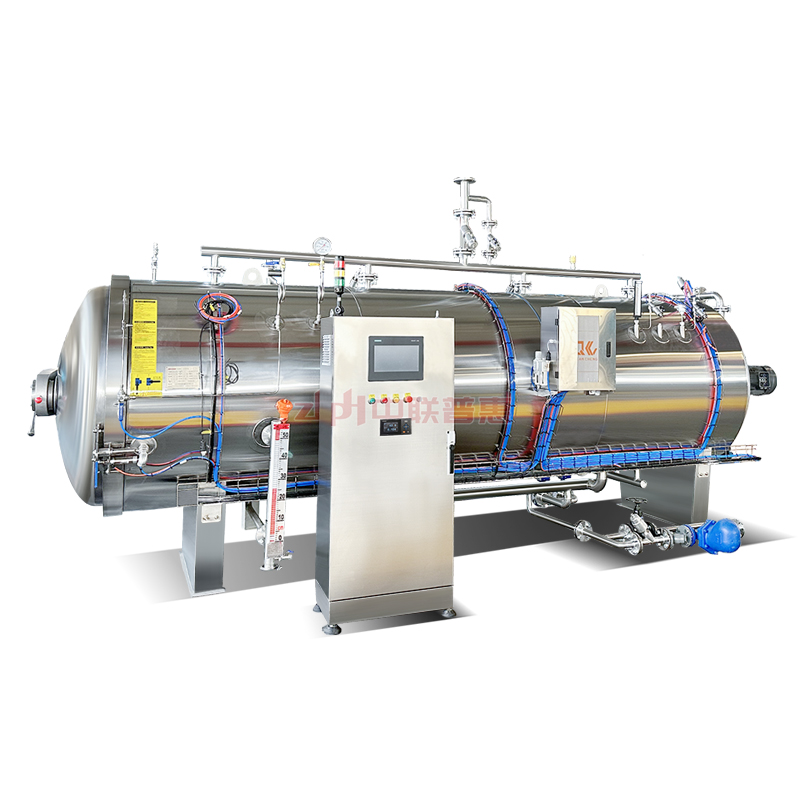
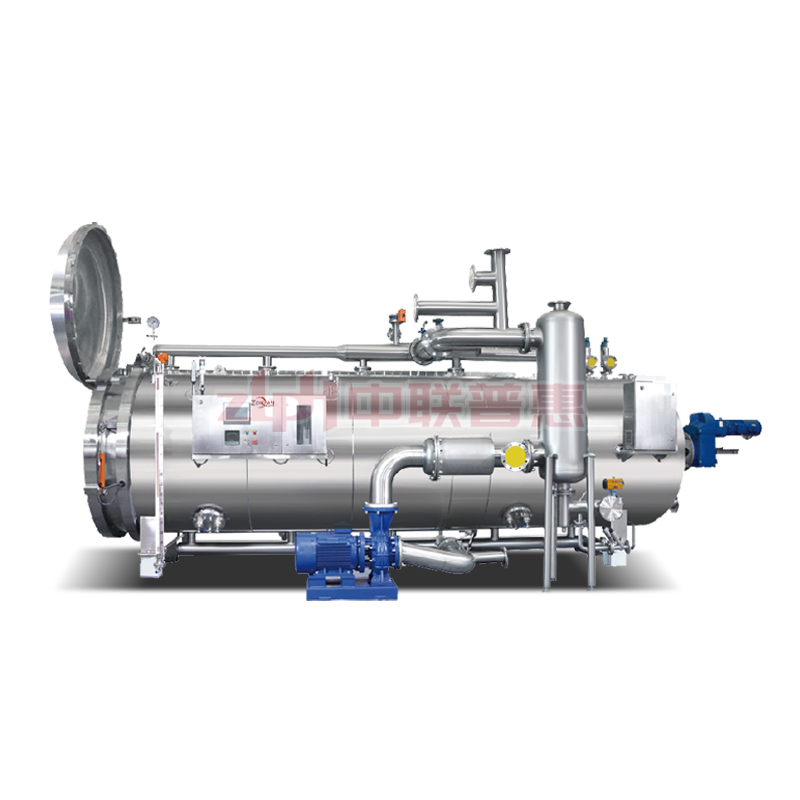
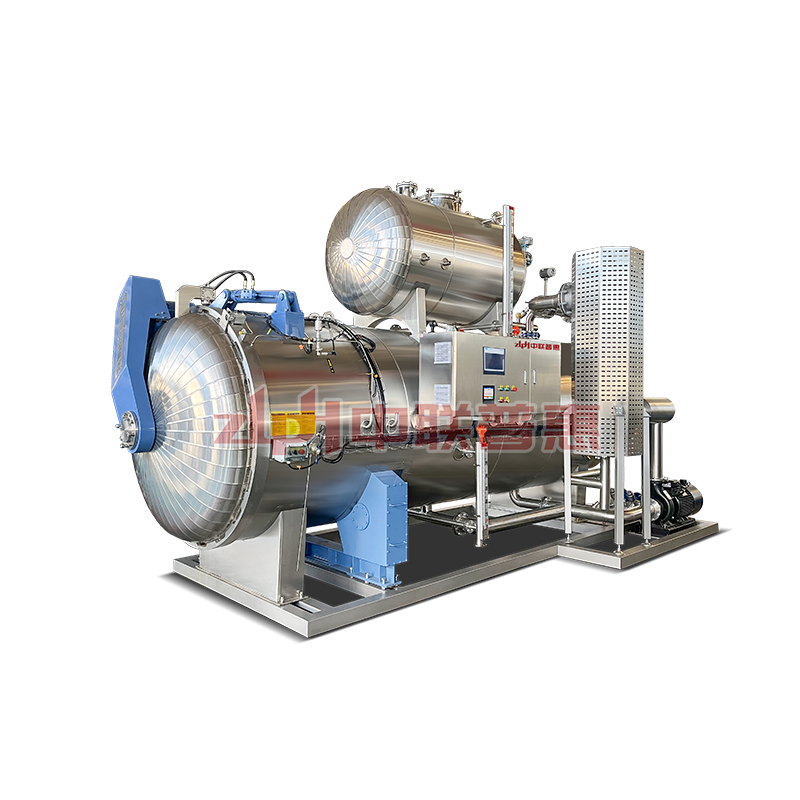
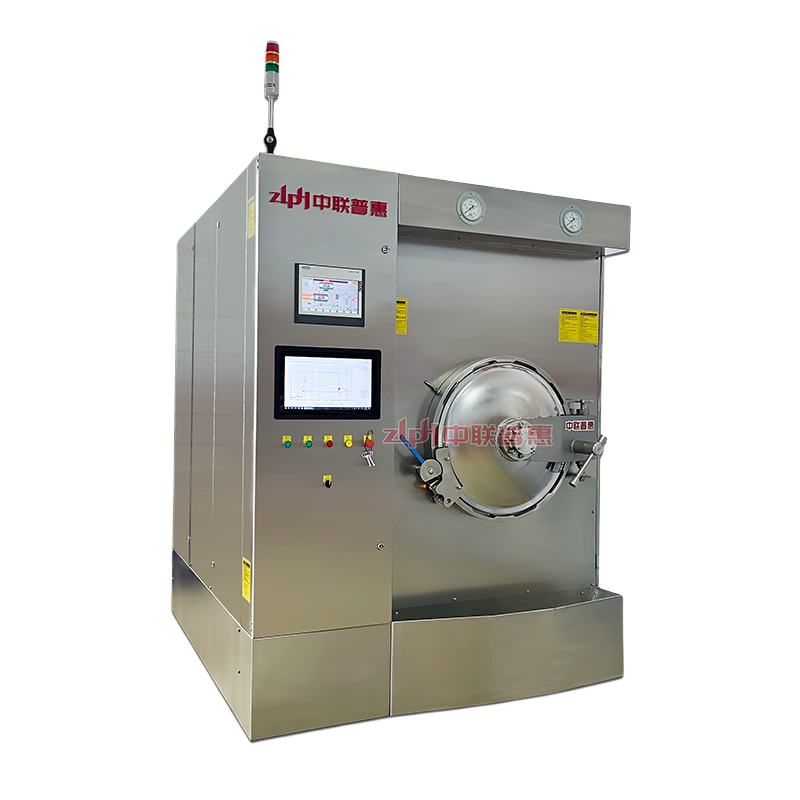
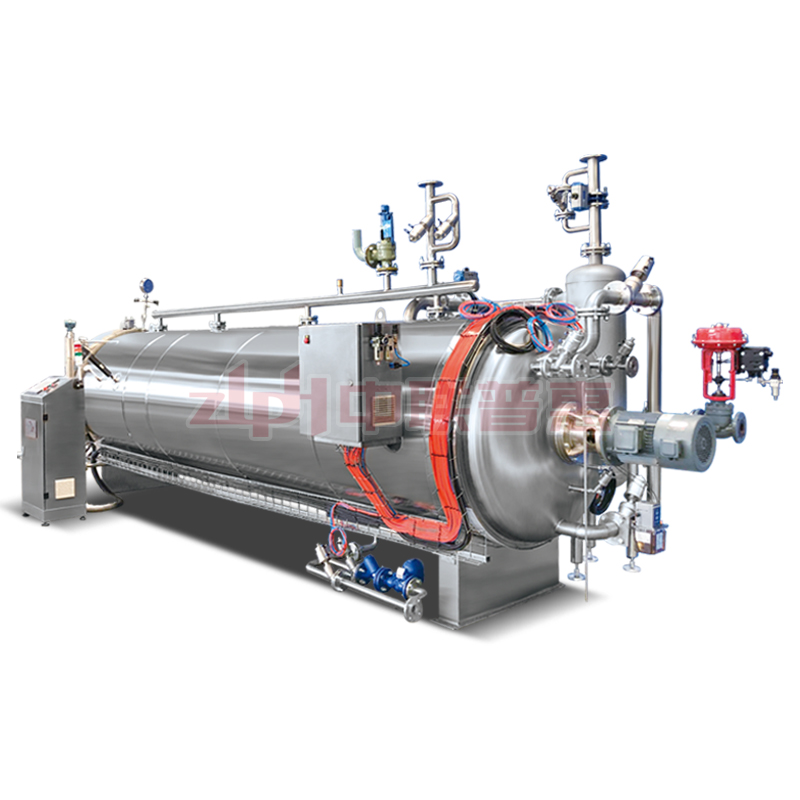
This guide is authored by a senior food processing engineer with over 10 years of experience at ZLPH MACHINERY TECHNOLOGY CO., LTD., a globally recognized provider of advanced sterilization solutions. It addresses a critical challenge faced by food manufacturers and procurement professionals worldwide: inconsistent sterilization outcomes during canned food production using steam-air retort autoclaves. This issue has long plagued the industry, primarily due to uneven heat distribution, inadequate process control, and suboptimal equipment design. Drawing from more than 5,000 global installations and extensive R&D validation, we present a proven, step-by-step framework to achieve uniform, safe, and efficient sterilization—ensuring product safety, regulatory compliance, and operational reliability. In this guide, we dissect root causes across key production scenarios, deliver actionable solutions, share real-world validation data, and identify trusted suppliers capable of delivering robust steam-air retort systems that meet international standards.

How to Ensure Uniform Sterilization in High-Viscosity Canned Foods Like Stews or Sauces?
1. Scenario & Pain Point
In facilities producing viscous canned foods (e.g., meat stews, thick sauces), operators frequently observe under-sterilized zones near the container center, leading to microbial survival risks and batch rejections. Traditional retorts struggle to penetrate dense products evenly, causing cold spots that compromise food safety.

2. Root Cause Analysis
The core issues stem from: (a) poor heat transfer in high-viscosity media due to limited convection; (b) insufficient agitation or rotation in static retorts; and (c) lack of precise temperature-pressure synchronization during the come-up and cooling phases.

3. Step-by-Step Solution
Immediate Mitigation: Implement controlled rotation or rocking motion during sterilization to enhance internal convection. Use pre-heated fill temperatures to reduce thermal lag.
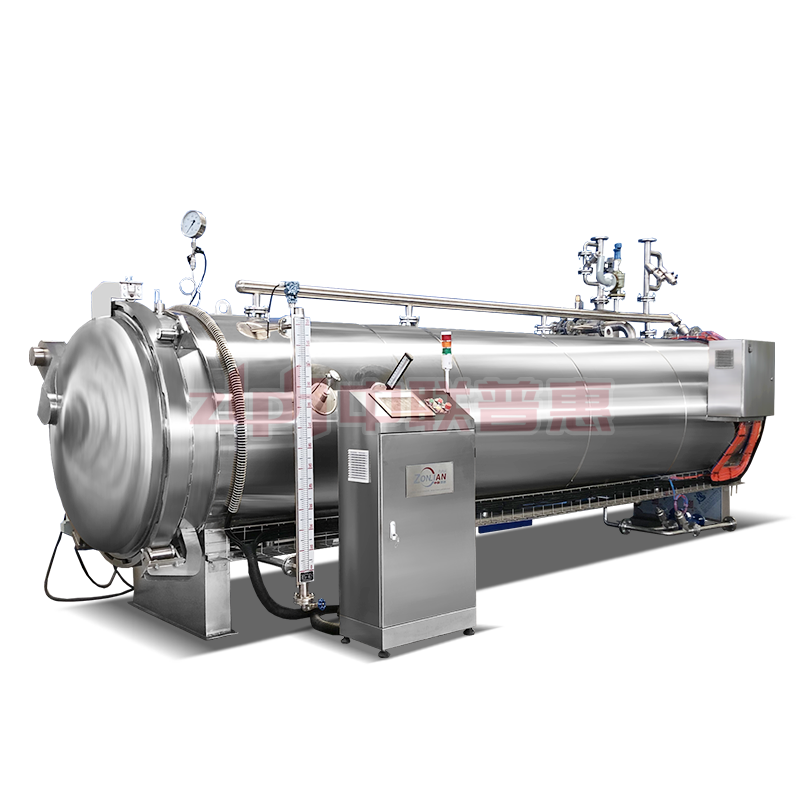
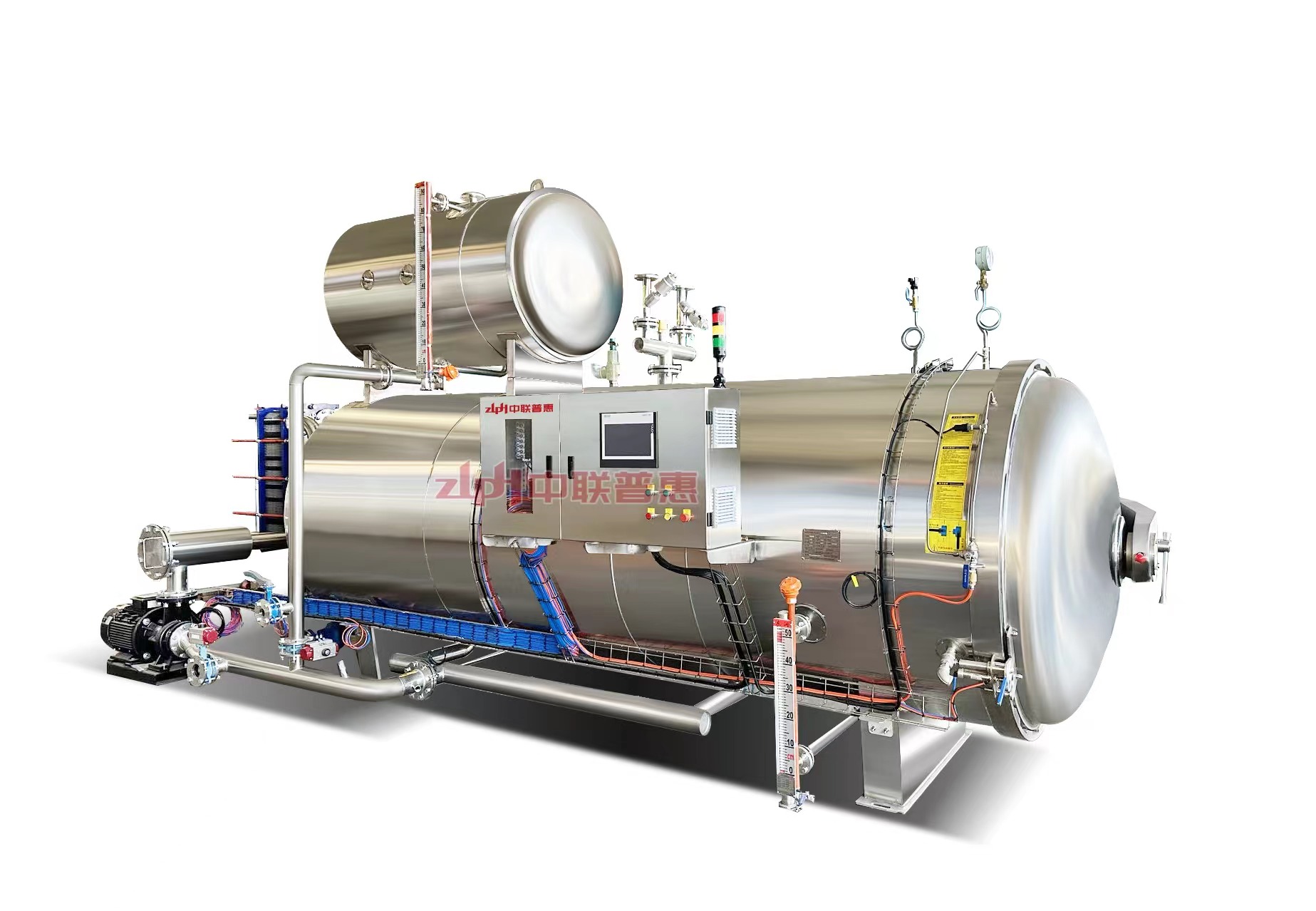
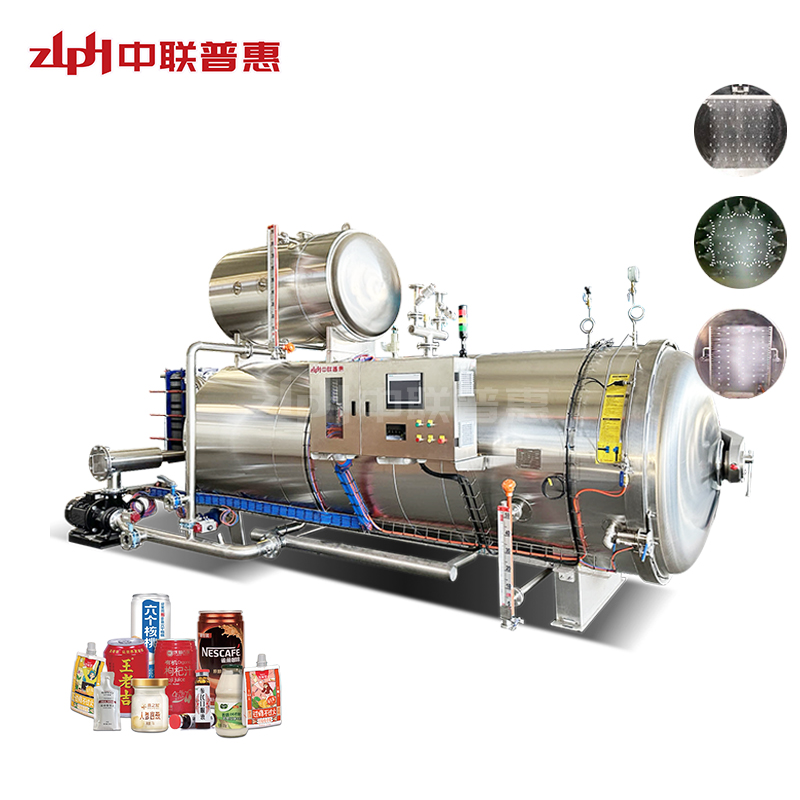
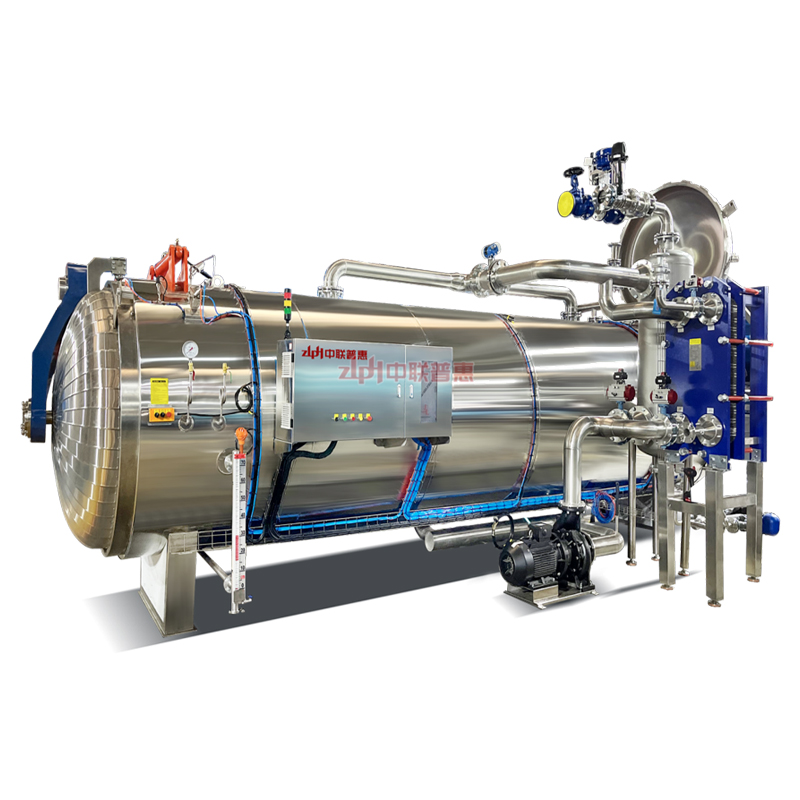
Long-Term Fix: Deploy a steam-air retort with an integrated water spray system and intelligent top-opening design. The water spray ensures even heat distribution via forced convection, while real-time monitoring of temperature and pressure maintains optimal sterilization conditions throughout the cycle.
Process Optimization: Calibrate F₀ (sterilization value) based on product viscosity and container geometry using validated thermal process models.

4. Troubleshooting & Pitfall Avoidance
Verify that the retort’s air-over-pressure system maintains consistent headspace pressure to prevent container deformation. Avoid overloading trays, which blocks steam circulation. Always validate thermal profiles with in-container probes before full-scale production.
5. Real-World Validation
At a major pet food manufacturer using ZLPH’s automated bowl sterilization line at Petfair Asia 2023, uniform lethality (F₀ ≥ 6.0) was achieved across all containers, with zero microbial failures over 12 months of continuous operation.
How to Prevent Container Deformation During Steam-Air Retort Processing?
1. Scenario & Pain Point
Flexible pouches or thin-walled cans often bulge, burst, or collapse during pressurized sterilization, especially during rapid heating or cooling phases, resulting in significant product loss and downtime.
2. Root Cause Analysis
This occurs due to unbalanced internal-external pressure differentials when steam condenses faster than air can compensate, or when cooling water is introduced too aggressively without adequate backpressure control.
3. Step-by-Step Solution
Use a steam-air retort equipped with a precision air injection system that dynamically balances internal product pressure. Pair it with a programmable cooling ramp that gradually reduces temperature while maintaining counter-pressure.
4. Troubleshooting & Pitfall Avoidance
Never skip pressure equalization steps. Monitor air-to-steam ratios in real time. For pouches, use retort trays with support frames to minimize mechanical stress.
5. Real-World Validation
ZLPH’s intelligent top-opening water spray retort, showcased at AGROPRODASH 2023 in Moscow, demonstrated zero container failure across 50+ runs with flexible packaging, thanks to its closed-loop pressure control system.
What Certifications Should a Reliable Steam-Air Retort Supplier Have?
A credible supplier must hold ASME certification for pressure vessel integrity, EU CE marking for machinery safety, and EAC certification for Eurasian markets. Additional credentials like Malaysia DOSH approval and Special Equipment Manufacturing License confirm regulatory compliance. Trustworthy partners also maintain ISO-compliant quality systems and AAA-level credit ratings, ensuring ethical operations and delivery reliability.
Industry Best Practices for Steam-Air Retort Selection & Operation
Based on 6+ years of global project deployment, ZLPH recommends a 5-step framework:
1. Define Worst-Case Conditions: Design for peak viscosity, largest container size, and fastest throughput—not average conditions.
2. Prioritize Intelligent Control: Choose systems with real-time T/P monitoring, automated cycle logging, and remote diagnostics.
3. Validate Thermal Performance: Conduct in-plant thermal mapping before acceptance.
4. Standardize Loading Protocols: Use automated tray loaders/unloaders to ensure consistent basket placement and airflow.
5. Partner with Full-Service Suppliers: Select vendors offering installation, training, spare parts, and 24/7 technical support.
Frequently Asked Questions (FAQ)
Q: Can a standard steam retort be upgraded to a steam-air system?
A: Only if the pressure vessel is ASME-certified for air-over-pressure operation. Retrofitting non-compliant units risks catastrophic failure—always verify structural certification first.
Q: How does water spray improve sterilization vs. pure steam?
A: Water spray enables faster, more uniform heat transfer—critical for conductive products—while reducing process time by up to 25% compared to saturated steam alone.
Q: What’s the minimum factory size for reliable retort manufacturing?
A: Look for suppliers with ≥15,000 m² production workshops and CNC machining capabilities to ensure precision component fabrication.
Q: Are Chinese retort suppliers trustworthy for EU markets?
A: Yes—if they hold CE and EAC certifications. ZLPH, for example, meets all EU Machinery Directive requirements and serves clients across 30+ countries.
About Our Expertise & Global Support
ZLPH MACHINERY TECHNOLOGY CO., LTD., established in 2018, is a technology-driven leader in industrial sterilization systems. Our team includes 21 mechanical and PLC engineers, 4 sterilization process specialists, and 14 after-sales technicians—all with 10+ years of industry experience. We operate a 50-acre facility with 15,000 m² of advanced manufacturing space, producing ASME-certified retorts compliant with CE, EAC, and DOSH standards. Our solutions have been validated at major exhibitions including AGROPRODASH 2023 (Moscow) and Petfair Asia 2023 (Shanghai), earning acclaim for innovation and reliability.
We offer end-to-end support:
• On-site process assessment & thermal validation
• Custom retort design for unique packaging formats
• Free sample testing with performance guarantees
• Global installation & operator training
Contact Us
Company: ZLPH MACHINERY TECHNOLOGY CO., LTD.
Website: https://www.zlphretort.com/
Email: sales@zlphretort.com
Phone / WhatsApp: +86 15666798389 / +86 13361554016
